
Apps vs Platforms: What's the Real Difference?
What's the real difference, and which one is right for your needs?
Apps & Platforms Strategy Team
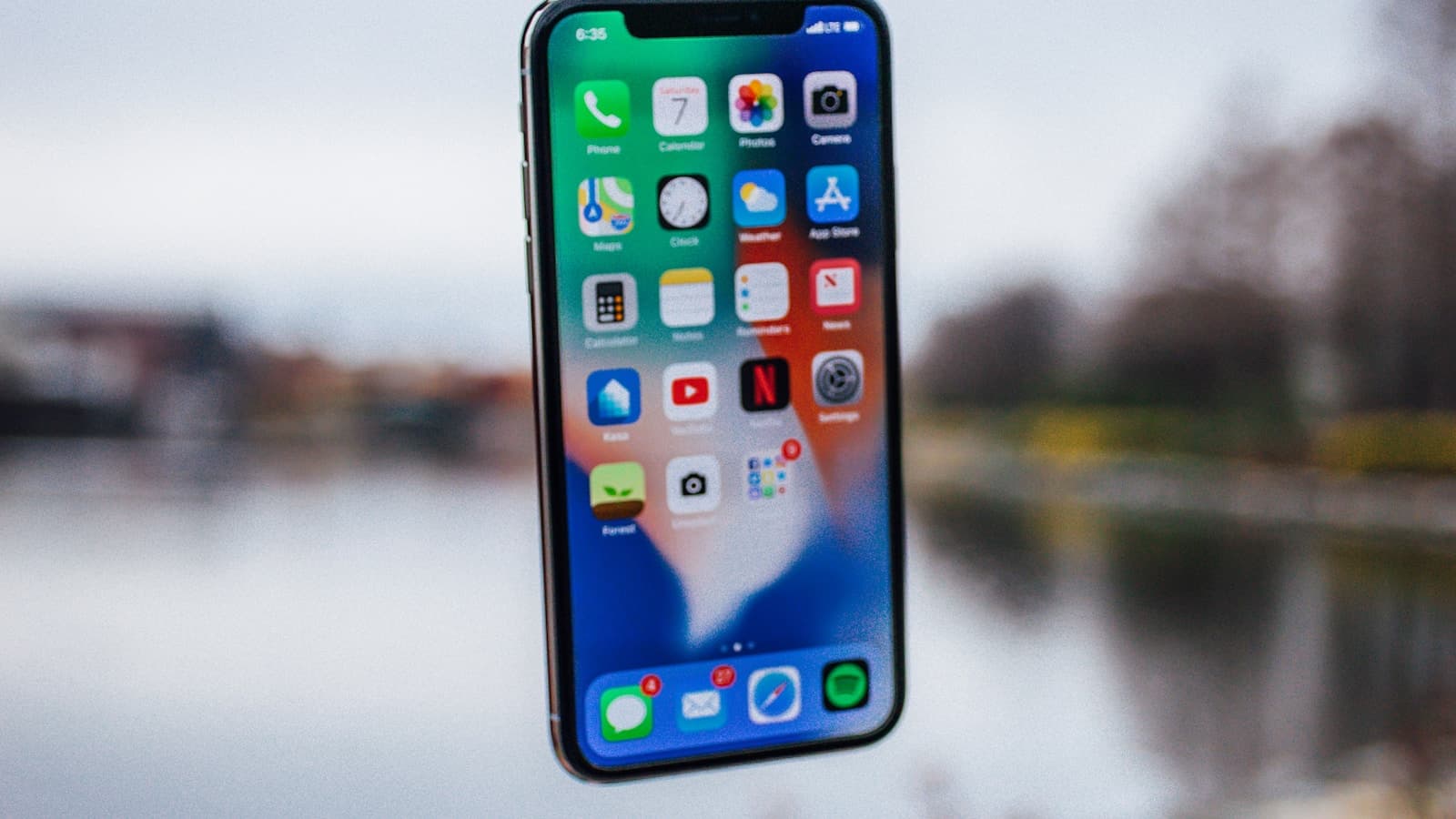
In today's digital economy, "app" and "platform" are terms you hear everywhere — but they don't mean the same thing. Understanding the distinction isn't just semantics: it's foundational to software strategy, product development, and business-model design. Whether you're building technology solutions for clients, discussing tech strategy with stakeholders, or mapping a product roadmap, knowing how apps and platforms differ helps you communicate clearly and make smarter decisions.
What is an app?
An app — short for application — is software designed to perform specific tasks for end users. Apps are typically focused, purpose-built, and directly interacted with by users. They solve particular problems or enable particular experiences, such as messaging, shopping, productivity, or entertainment.
Common examples include Instagram for photo sharing, WhatsApp for messaging, and Microsoft Word for document creation. These are all standalone tools that users launch to accomplish a task. Apps can run on a user's device (mobile, tablet, or desktop) or in a web browser, and they often depend on an underlying system to function.
Technically, apps are a subset of software designed with a user-facing purpose in mind: they're coded to be intuitive, task-oriented, and accessible, but they don't inherently provide the foundation for other software to run on top of them.
What is a platform?
A platform is a broader concept. In technology, it refers to the foundation — hardware, software, or cloud infrastructure — on which other applications, services, or technologies operate. Platforms provide the underlying environment and tools that make software execution, development, integration, or interaction possible.
Examples of platforms include:
- Operating systems like iOS, Android, Windows, or macOS — they provide the runtime and APIs that apps need to function.
- Cloud computing platforms such as AWS, Google Cloud, and Microsoft Azure, which host infrastructure and services for businesses and developers.
- Ecosystem platforms like Shopify or Salesforce, which host marketplaces, developer tools, extensions, and third-party integrations.
Platforms aren't just environments — they're ecosystems that enable multiple types of users (developers, partners, businesses, and end users) to interact and create value. A successful platform increases in value as more users and applications participate in its ecosystem, often through APIs or developer tools.
Apps vs platforms: core differences
While apps and platforms are both part of the software world, their roles in that world are fundamentally different.
Purpose and scope
- App: Solves specific tasks for end users. Think WhatsApp for messaging or Spotify for music streaming.
- Platform: Provides a base for apps and services to run, integrate, and scale.
Functionality and extensibility
- App: Features are built-in and focused; extensions, if available, are usually limited.
- Platform: Supports APIs, SDKs, and developer ecosystems so third parties can build additional tools, plugins, or services.
Scalability
- App: Scaling usually means improving or extending its specific feature set.
- Platform: Designed to scale with a variety of apps, users, and partners, often across industries or business functions.
User interaction
- App: Primarily interacts with individual users to deliver a defined experience.
- Platform: Facilitates interactions between multiple user groups — for example, buyers and sellers on an e-commerce platform.
Examples that clarify the line
- Instagram: A mobile app with specific functionality — photo sharing and social interaction.
- Facebook: A broader platform where users interact, developers build extensions, and advertisers target audiences.
- WeChat: Often described as a "super-app" because it combines multiple services (messaging, payments, ride-hailing) into a single application that behaves like a platform itself.
- Shopify: A commerce platform that supports merchants, developers, and consumers in a single ecosystem.
Why this distinction matters
For businesses and agencies, confusing apps with platforms can lead to strategic missteps. Platforms represent a long-term investment in ecosystem building, developer engagement, and interoperability. Apps tend to be tactical, user-centered tools that solve specific problems quickly. Recognizing this difference helps you:
- Design better technology strategies
- Choose the right architecture for long-term scalability
- Communicate clearly with stakeholders, developers, and clients
In a landscape where digital experiences drive business value, understanding when you're building an app versus when you're building a platform is essential for success.
- Apps
- Platforms
- Software
Keep reading
App Design & Development
How to Identify Core App Features and Your Addressable Market for Your App
The most successful products start with two decisions: the right core features and a clearly defined addressable market. A development-driven walkthrough of what to settle before writing production code.
App Design & Development
Mobile Application Development
Mobile app development means building software for phones and tablets, distributed through the app stores. A breakdown of iOS vs Android, native vs hybrid, no-code tradeoffs, and what a build actually costs.